HEID’S TRUE STORY
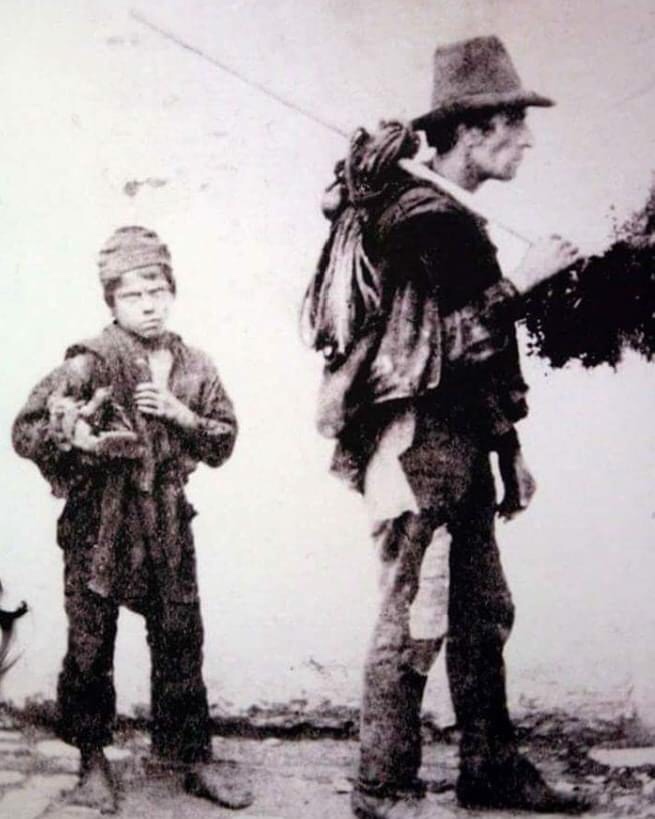
The Dark Side of Switzerland
Verdingkinder; Barefoot Kids.
Most of us know Heidi, the cute girl of the Alpine Mountains, the cartoon character loved by those who lived in the 80s and 90s. But what about Heidi’s true story? The true story and inspiration of Heidi, who is often depicted with her bare feet ready to help everyone with her red cheeks, worn clothes and a big heart, will surprise you. In fact, those who follow the cartoon well know that Heidi does not want to wear shoes because of her free spirit. However, some research on the recent history of Switzerland reveals that this event may very likely be a hidden reference to Switzerland’s dark history.
Johanna Spyri, the creator of the original story, drew attention to the phenomenon of barefoot children, which was considered taboo in Swiss society until the 80s, through the story of Heidi she wrote. So what is the origin of this event?
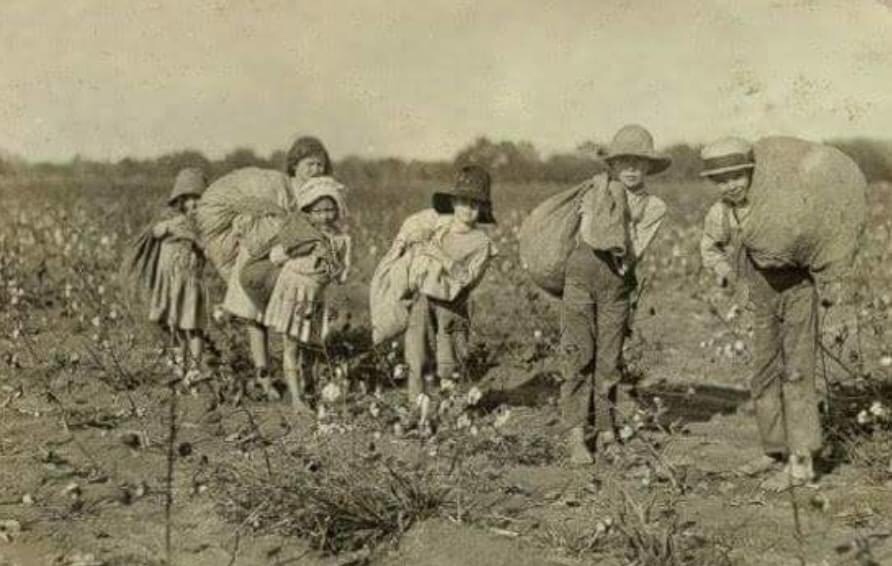
The true story of Heidi begins with the barefoot children, known as Verdingkinder, as slave children. Children who were born illegitimately in Switzerland, whose parents were in prison, who committed a crime or who were orphaned, were placed with people who could care for them by church pastors, or in other words, they were sold. The children of these socially excluded families are taken from their families by the priests, given as a rental to work on farms, or to be used for household chores in children’s markets set up in city and town centers.
they were put up for sale. No one cared about the beatings, torture, abuse or even rape that happened to the children, since they were considered the guardianship of the purchaser from the moment they were purchased. Because these children were troubled children who were saved by being placed with a good family in the eyes of society, and instead of complaining, they should just be grateful for their rescue!
These barefoot children, who were deemed worthy to sleep with the animals in the barn and were fed only bread with their burlap clothes, were taken for granted by the Swiss people for many years, in fact, many families thought that it was more appropriate for the poor children to go barefoot, since it was easy to distinguish these children from the “normal” children with shoes. ! At first glance, this system of slavery, in which Swiss society was implicitly perpetuated, seems like a bad memory from a very distant past, but this system of slavery, called Verdingkinder in Switzerland, was not completely banned until 1981, hard to believe! Worse still, it was only in 2013 that the Swiss state officially apologized to these people, some of whom are still alive.
So, Have There Ever Been Rising Voices?
The first voices to rise to this event, which Swiss society was strangely taken for granted and remained unresponsive to, came only from foreigners. It is one of the first voices to rise to this event that a Russian doctor prepared an official report for a boy who was raped severely and intensely and died as a result of this on the farm where he worked. In such cases, doctors often ignored the cause of death of the dead child and covered it up. In other words, this action taken by the doctor was not an uncommon situation. As a result, this report prepared by the Russian doctor was not taken into account by the authorities and the doctor was excluded because of his different nationality. After this incident, some women’s organizations and unions also raised their voices against the situation of child slaves. In addition, some writers took a stand against this event.
Writer Carl Loosli, who was also a victim of the slavery system called Verdingkinder, was harassed and worked on farms until he was 11 years old before he could see his mother and father properly. He did not remain silent about what happened to him while he was a writer and wrote articles on this subject. Unfortunately, his writings were never taken seriously and remained an underappreciated writer in his lifetime, as he tried to mess with a system that Switzerland considered taboo and took for granted.
In addition, Probst, one of the victims of this shame that Switzerland has covered for years, is now trying to bring this dark period of Switzerland to light by telling the truths that he has hidden for a long time in meetings held all over Switzerland and answering the questions that come to him. The story of Charles Probst? 79-year-old Charles Probst was born after his mother was raped by the rancher where he worked as a “slave child”. As a result, it was given to another foster family. The bad luck that happened to her mother also happened to her. For years, he was up at four in the morning and had grass cut, he was forced to live in barns, he was not even allowed to brush his teeth for years, he was not put on underwear, he was not even taken to the doctor when he was sick, he was sexually abused. In the morning, he was forced to eat dry bread by dipping it in water.
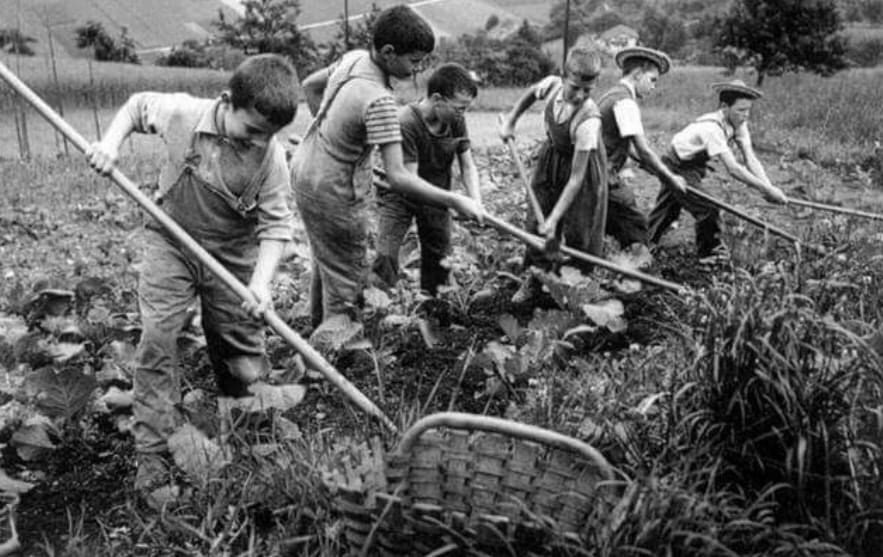
Famous painter Albert Anker, by including these barefoot children in his paintings reflecting Swiss life, aimed to reveal this ignored fact to the rich group of painting enthusiasts.
Universal Magazine 2015 February Issue.
 AÇIK KAPI(OPEN DOOR))