WALNUT AND BRAIN
Most of us must have noticed the similarities between certain fruits and vegetables and our organs.
Everything in nature says something to human beings with the language of state. So that he can hear it and take advantage of it. He continues to hear his voice, sometimes with scent, sometimes with various kinds and messages. From this point of view, the similarities between some fruits and vegetables and our organs must have caught the attention of most of us. When looked very carefully, it will seem that there is a message for us under this similarity and this similar is at all accidental.
Regarding this issue, there are also some opinions arguing that fruits benefit organs from whatever organ they look like. In fact, the theory of “Signature Doctrine / Signs or signatures doctrine”, which is about the fact that plants are the cause of healing, is also an approach based on reading nature.
There are many examples of fruits and human organs. In this article, we will examine the similarities and relationships between walnuts and the brain.
The similarity between walnuts and the human brain
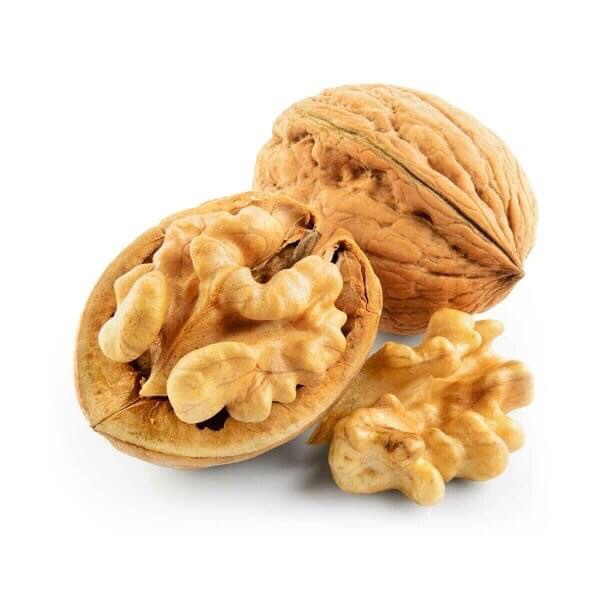
Walnut is the first fruit that comes to mind in all of us in this regard. Because walnut looks like a little brain.
The walnut is covered with a protective hard shell; just like the human brain covered by a hard protective skull.
When this woody hard shell of the walnut is opened, we notice that the walnut core under the shell is in two equal parts; just like the human brain consists of two hemispheres.
The innermost walnut interior; It consists of membrane-surrounded folds; just like in the brain.
In addition to all these, walnut is the only fruit among the fruits that contains silver ions. Interestingly, the only organ in the human body that needs silver ions is the brain. In addition, walnuts contain Omega 3, Omega 6, A, B and E vitamins needed by the brain.
It is understood from all these that walnuts, both with their appearance and with their nutrients and minerals, are almost “I was created for the brain! he says. So whoever created the brain, He created the walnut, which resembles the brain and contains the substances needed by the brain. This resemblance to us spiritually
“We are one and we are out of one hand, we are the property of only one person. And he who makes one of us, of course, makes all of us (all of us). ” he says.
The endless benefits of walnuts
Every blessing is created for us, shaped, and what we need is put in a measured way. Walnuts are like that too. For example, phytosterols in walnuts strengthen the immune system and provide protection from cancer types such as colon, breast and prostate cancer.
High levels of omega-3 fatty acids in walnuts reduce heart disease, stroke, diabetes and high blood pressure. Walnut consumption lowers the cholesterol level in the blood and prevents irregularity in heartbeat.
It is also suggested that walnut, due to its antioxidant properties, may delay or reduce the development of diseases such as Parkinson’s and Alzheimer’s, which damage the cardiovascular and nervous system.
Walnuts also have an important place against depression, which is the problem of millions today. The mild antidepressant property of walnuts is due to the tryptophan in it. Tryptophan acts by converting into serotonin, an important brain chemical that controls mood in our brain. Therefore, tryptophan in half a palm of walnuts that you eat before going to bed can help you sleep well.
Melatonin in walnuts contains the ready-to-use form of the human body of melatonin secreted by the brain gland. Melatonin can eliminate sleep disturbances in people who work at night and suffer from sleep disorders due to the time difference.
And walnut, which has many more benefits that we cannot count, will be your biggest food source if it gets dark without overdoing it and is consumed in place.
Those who ignore the wisdom seen in such miraculous fruits such as walnuts, or who say that all of these things came about by chance, can it be called a rational person to say, let alone scientists?
How many walnuts should we eat a day?
The amount of walnuts that should be eaten daily is between 30-50 grams. This corresponds to 2-3 walnuts. When the walnut is consumed excessively, that is, when more than 4 is consumed per day, the body will take what it needs and convert the excess eaten into weight and fat. This is very harmful for the body. In other words, as in every food, we can say “less decision, more harm”.
PROF. DR. FATİH SATIL
 AÇIK KAPI(OPEN DOOR))